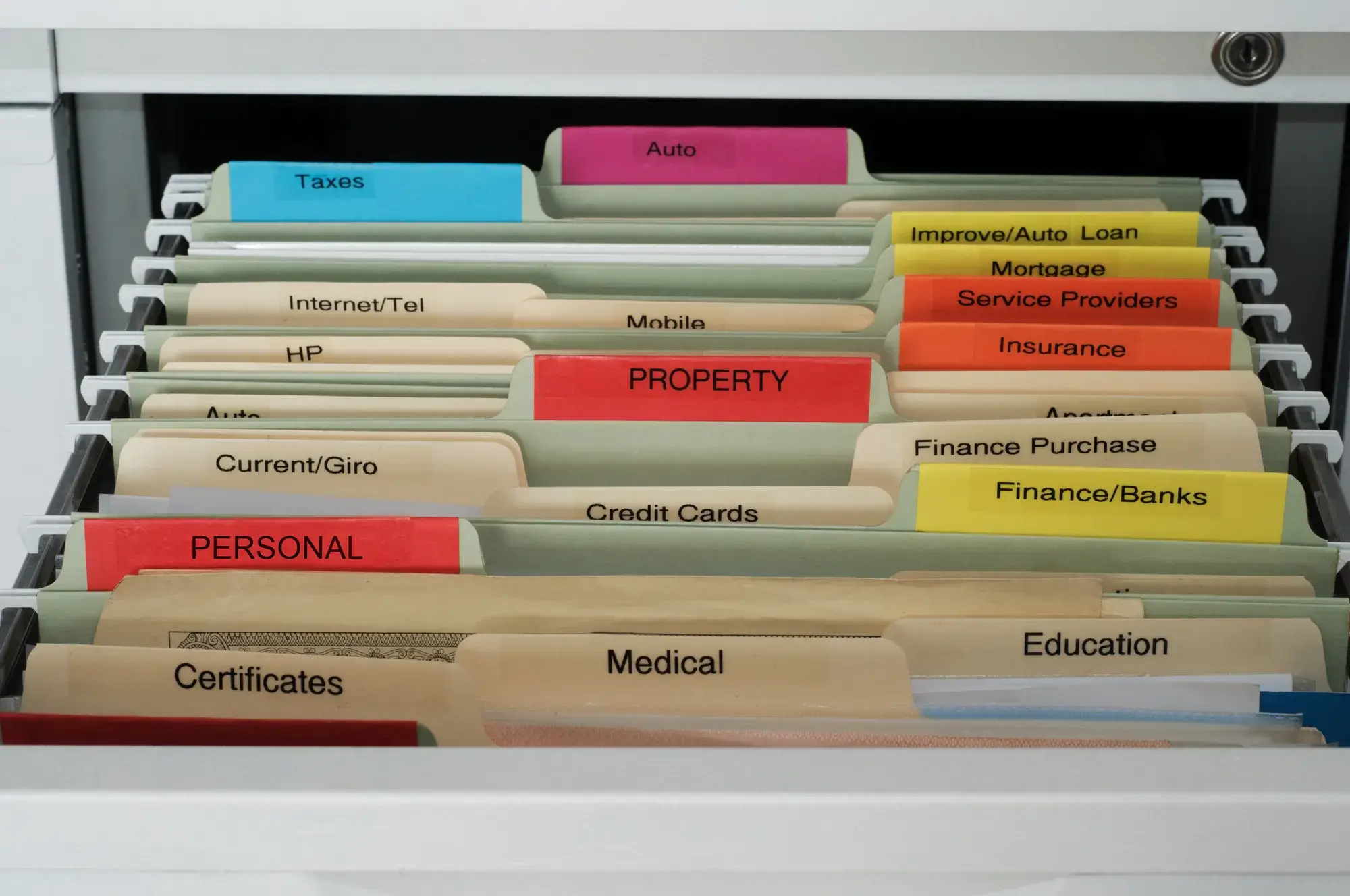

Title is rarely linear. It is layered.
Yet many ownership analyses are still approached as if property history unfolds in a clean sequence—one deed after another, neatly replacing what came before. In reality, title more closely resembles geological strata: accumulated layers of activity, each exerting influence long after it was formed.
Viewing title through a stratigraphic lens offers a clearer framework for understanding complexity.
Title as a Layered System
Just as geological formations record periods of deposition, erosion, and disturbance, land records reflect successive phases of ownership, encumbrance, and reservation.
Each recorded instrument adds a layer:
-
Original patents and early conveyances form the base
-
Subsequent deeds modify surface ownership
-
Leases, easements, and rights-of-way overlay use and access
-
Liens, assignments, and releases alter priority and risk
Crucially, newer layers do not erase older ones—they rest on top of them.
Why Linear Thinking Breaks Down
Linear review assumes that later documents supersede earlier ones. Stratigraphic thinking recognizes that prior instruments often continue to control outcomes.
Common examples include:
-
Mineral reservations persisting through surface conveyances
-
Easements surviving multiple transfers of fee ownership
-
Reversionary interests triggered by conditions decades later
-
Partial assignments that fracture ownership across time
Without understanding how layers interact, examiners risk misinterpreting ownership scope.